
Car dashboard signs can be confusing, especially when they suddenly light up while you’re driving! Whether you drive a Toyota, Honda, Lexus, Mercedes-Benz, or Hyundai, these symbols all communicate one thing: your car needs attention. At CarPaddy.com, we know that understanding these signs and fixing them early can save you money, prevent breakdowns, and improve safety on Nigerian roads. These signs are common to most cars, as they indicate essential elements that are indispensable in every car.
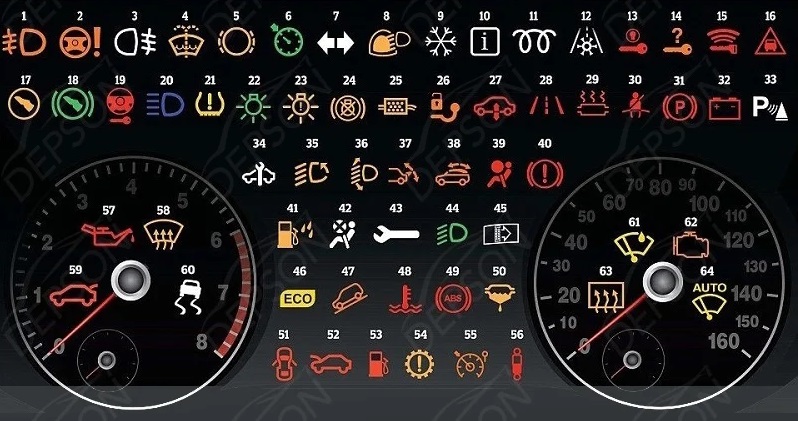
Over the years, many drivers wonder what’s the meaning of their car dashboard signs, as some of the signs on the dashboard are easy to deal with. For example, if the seat belt symbol is lit, this does not indicate a basic problem with the car. Other symbols, such as the engine oil symbol, may be difficult to understand, and their continued lighting may be somewhat worrisome.
When it comes to dashboard lights, colors matter! Tracking the colors of the warning lights on your dashboard is a system similar to a traffic light system:
Green or blue: Indicates that the system is working properly or is in use, so there is no need to worry.
Yellow or Orange: Indicates a problem but it is not serious! Be careful and check and fix the problem as soon as possible before it gets worse.
Red: Indicates a serious problem that requires immediate repair! So, stop driving immediately if this color appears and fix the problem before continuing your trip.
Car dashboard warning signs meanings
In this (todays) blog you will find dashboard signals that alert the driver to a specific malfunction that may cause major damage in the future if the problem is not resolved immediately.
- Engine Warning Light (Check Engine Light):
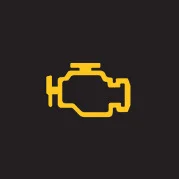
- This is one of the most common dashboard alerts. Meaning something is wrong with the engine, exhaust system, or emission control.
- When the car is started, this light will appear for a short time and then disappear, which is completely normal. If the light remains on, it means that the engine is not working efficiently enough, and you should be careful and not drive for long periods.
- N.B: Don’t ignore it. Get a diagnostic scan at a trusted mechanic workshop.
- Engine temperature indicator/Temperature Warning Light:
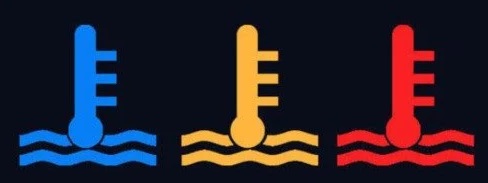
- This indicator is also known as the “high coolant temperature indicator. Often shaped like a thermometer meaning your engine is overheating.
- This indicator indicates that the engine temperature is higher than normal. If you’re wondering whether or not you can continue driving, the first thing to check is the color of the code:
- Red: Indicates a major malfunction. This high temperature can cause internal parts to melt. This problem can occur for several reasons, including low coolant level or a leak in the cooling system, low engine oil level, or a malfunctioning cooling fan.
- Yellow: Indicates the beginning of a decrease in coolant levels. In this case, it is recommended to avoid driving long distances and ensure that sufficient amounts of fluid are provided to the radiator.
- Blue: Indicates that the temperature of the vehicle’s cooling system has dropped significantly.
- N.B: Running an overheated engine can cause expensive damage.
- Battery warning indicator/Battery Warning Light:
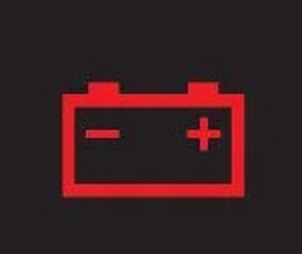
- This symbol usually looks like a rectangular battery. Meaning your alternator may not be charging the battery. This signal appears in red to alert you to a problem with the battery charging process and the electrical circuit.
- This problem could be caused by one of the following:
- Faulty or damaged electrical connections.
- Battery life is running out.
- Dynamo failure.
- N.B: Visit a technician (mechanic) ASAP before the car shuts down unexpectedly.
- Engine oil indicator/Oil Pressure Warning Light:
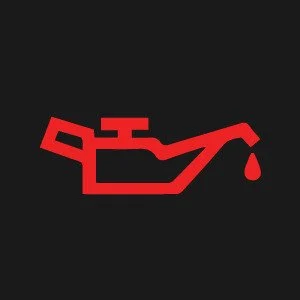
- It looks like a small oil can; indicating that your engine oil is low, dirty, oil pressure is dropping, or its temperature is very high, in whichever case, it is absolutely not recommended to continue driving.
- Therefore, you should stop the car immediately and check the oil level or condition and look for any leaks.
- N.B: Driving with low oil can damage your engine.
- Brake warning indicator/Brake System Warning:
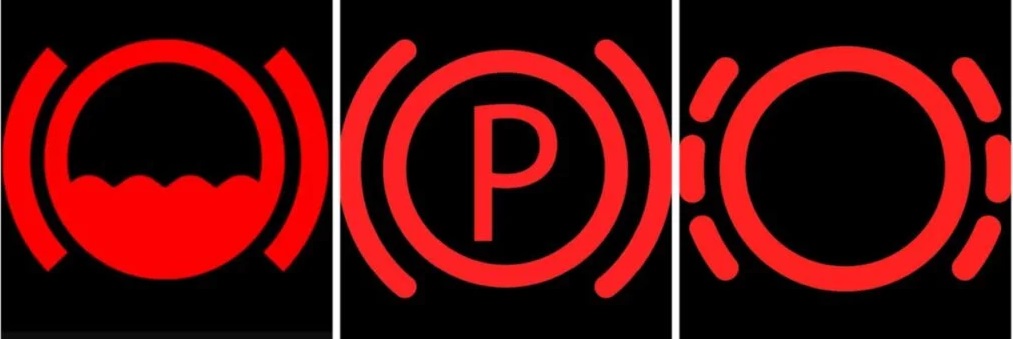
- A red “!” or “P” symbol. Indicating a low brake fluid level, worn-out brake pads, handbrake engaged or a malfunction in one of the brake systems such as the ABS system. Brakes are safety-critical.
- This indicator appears in red to indicate the importance of not ignoring it, as it aims to maintain the safety of the driver and passengers.
- N.B: Check brake fluid and visit a workshop quickly.
- Other important brake indicators:
- A broken line indicator indicates that the brake pads are faulty and need to be replaced.
- An indicator that includes the letter “P” indicates a fault with the handbrake.
- The last indicator indicates a low brake fluid level.
- EPS Steering System Alert Indicator:
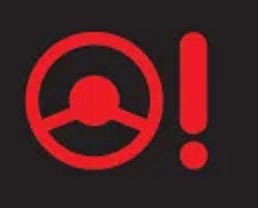
- This indicator indicates a problem with the power steering system.
- You should pull over to the side of the road and turn off the engine, then turn it back on after 30 seconds. If this indicator continues to appear, you can continue driving, but you will notice difficulty in maneuvering and controlling while driving due to the weight of the steering wheel.
- Automatic transmission warning:
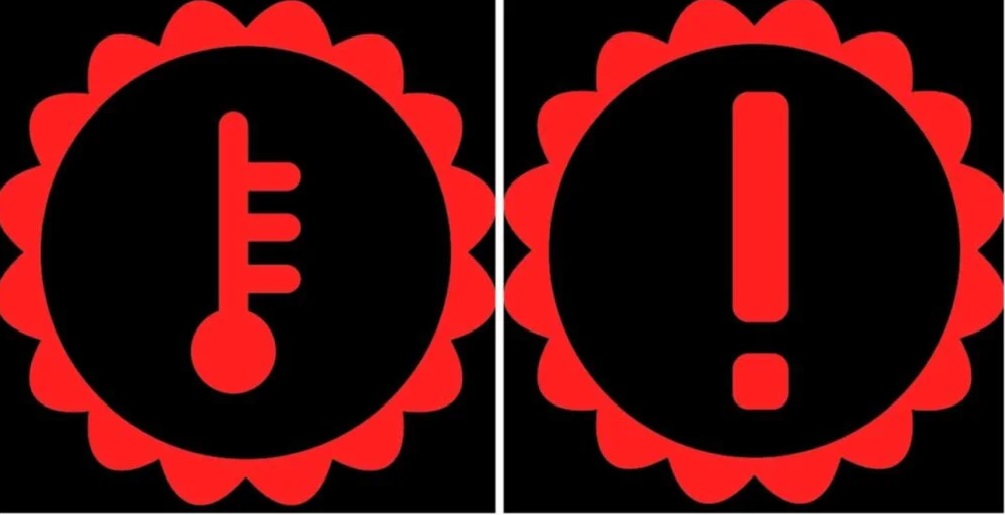
- The right indicator indicates a fault in the transmission, while the second indicator indicates that the transmission coolant temperature is high, which may lead to its damage. Therefore, it is recommended to check the coolant level, the efficiency of the cooling fan, the radiator cap, and check for any coolant leaks.
- The yellow indicator is not a reason to stop driving, but it is a warning to the driver to visit a maintenance center. If the indicator is red, he should pull over to the side of the road and seek help.
- Low power warning:
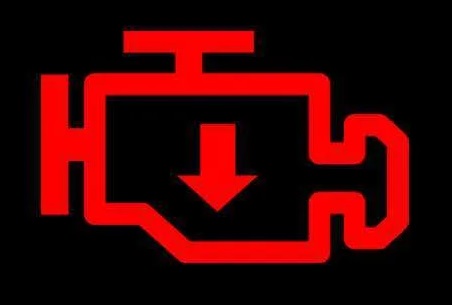
- This light indicates that the vehicle’s computer’s ability to generate sufficient power for the engine has decreased, which means that the vehicle’s performance will decline due to a lack of fuel or air flow to the engine.
- Tire Pressure Monitoring System (TPMS) Light also known as {Low tire pressure warning indicator}:
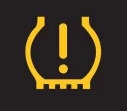
- Usually shaped like a flat tire with an exclamation mark, meaning one or more tires are under-inflated.
- Over time, the air pressure in your tires will decrease depending on the weather conditions or if the tires are punctured. In this case, it is advisable to drive at a low speed and with extreme caution.
- Clogged air filter indicator:
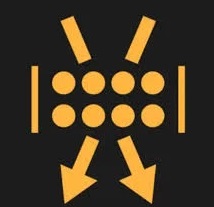
- When the airflow to the engine is reduced, this light appears, which may affect its temperature.
- Therefore, it is recommended to check the filter or replace it completely if necessary.
- ABS warning light:
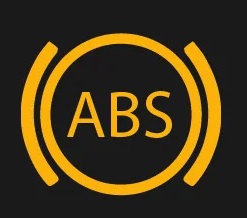
- Shows “ABS.” There’s a problem with the anti-lock braking system. Your regular brakes will still work, but ABS won’t.
- The benefit of the ABS system appears when the driver brakes suddenly, as the system gradually reduces the movement of the wheels to prevent the car from slipping on the road.
- When this light appears, it indicates a malfunction in the system, but there is no need to worry; this malfunction does not mean that there is a problem with the brake system. If this light appears next to the red brake warning indicator, you should stop immediately as the brakes may have failed.
- Forward Collision Warning Lamp:
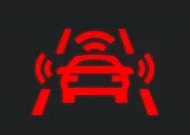
- When the vehicle’s external sensor detects a potential front-end collision, this indicator appears, with the system aiming to alert the driver so that he can press the brake pedal as quickly as possible before a collision occurs.
- AEB Indicator:
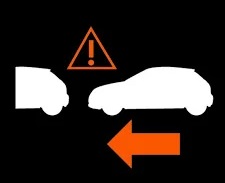
- In an emergency, the automatic braking system warning light is activated to alert the driver that the sensors associated with this system are covered with dirt or snow, which prevents the reception of the signals necessary to activate the emergency braking.
- This indicator may also indicate that the system is not activated.
- Traction Control Light:
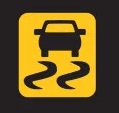
- By lighting this lamp, we can determine the problem. If it flashes continuously, this indicates that the system is active. If the light is constant, this means that the system is not working properly. If the word “OFF” appears below the indicator, this indicates that the system has malfunctioned.
Conclusion:
Dashboard signs are not for decorations; they are early-warning signals! Save money and stress by acting fast whenever one of these lights pops up.
Don’t forget that we are your car’s paddy, so if you need to register a new vehicle, renew your vehicle papers or looking for an app to manage your fleet in 2026, head to CarPaddy.com now or download our apps on Google Playstore or Apple appstore.